 Esport Me
What Is a Counter-Strike Major? The Format, the Money and Why It Outranks Everything Else
Valve's own tournaments sit above every other Counter-Strike event in prestige and prize money — here is how a Major is built, funded and judged.
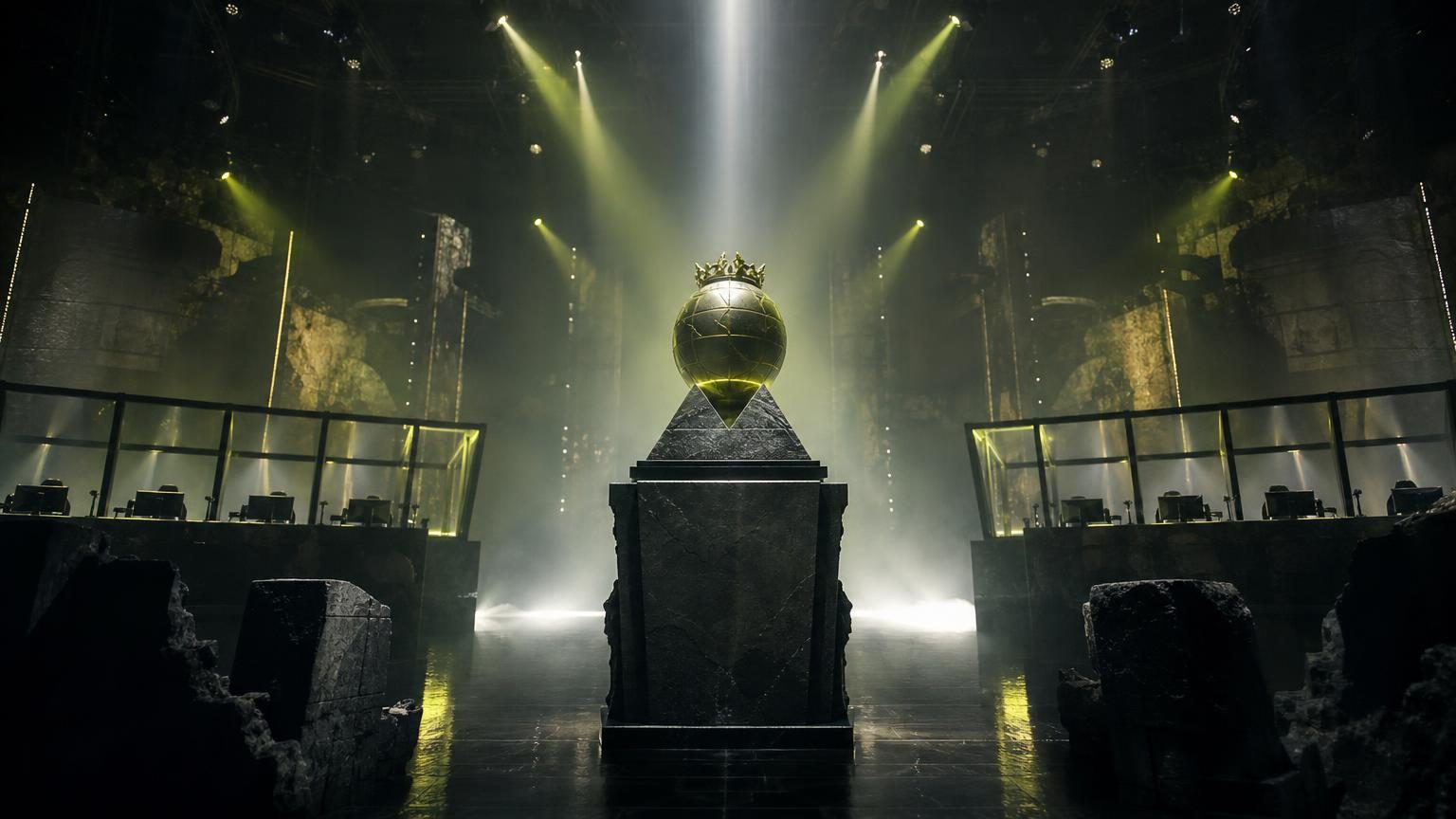
A Counter-Strike Major is not just another big tournament on the calendar. It is the only event tier that Valve, the studio behind the game, directly sponsors and officially recognises, which is why players, teams and fans treat Major results as the measure of a career rather than just another trophy.
According to Wikipedia, the first Valve-recognised Major took place in 2013 in Jönköping, Sweden, hosted by DreamHack with a total prize pool of US$250,000 shared among 16 teams. Crucially, that pool was partly funded by the community itself, through sales of in-game skins introduced in the game's Arms Deal update — a financing model unique to Majors rather than the ordinary, organiser-funded prize pools seen elsewhere on the circuit.
Valve does not run Majors alone. It partners with established third-party organisers — DreamHack, ELEAGUE, PGL, BLAST and others have all hosted editions — who handle production and logistics while Valve supplies the branding, the prize-pool backing and the format rules. That partnership model is what separates a Major from an organiser's own standalone event: Valve's sign-off is what makes it count.
The format has grown considerably since 2013. Wikipedia notes that Majors expanded from sixteen teams to twenty-four from the ELEAGUE Major: Boston 2018 onward, and then to thirty-two teams starting with the BLAST Austin Major in 2025, alongside a prize pool that climbed from the original US$250,000 to a now-advertised US$1,250,000. The number of Majors per year has also shifted, moving from three annually in the earliest seasons down to two.
Game-version changes have shaped the Major timeline too. All of the first twenty Majors were played in Counter-Strike: Global Offensive, but following the 2023 release of Counter-Strike 2, the circuit transitioned entirely to the new title, with the BLAST Paris Major 2023 standing as the final CS:GO edition before PGL's Copenhagen event the following year opened the CS2 era.
Majors have also carried genuine geographic firsts that mark the sport's growth. Wikipedia records Luminosity Gaming's 2016 win as the first by a non-European team, Gambit Esports' 2017 title as the first for an Asian or CIS roster, Cloud9's 2018 win as the first for a North American side, and FaZe Clan's 2022 title as the first by a genuinely international roster rather than a single-nation lineup.
Prestige is reinforced by what happens around the event as much as inside it. Souvenir packages — virtual items exclusive to Majors containing signed weapon skins from the event's standout players — have sold for substantial sums; Wikipedia cites a skin signed by Boston 2018 finals MVP Tyler 'Skadoodle' Latham selling for US$61,000. Valve has also marked especially memorable Major moments with permanent in-game graffiti tributes at the relevant map locations, though these were removed with the move to Counter-Strike 2.
Viewership figures underline why broadcasters and organisers compete to host these events rather than run independent ones. PGL Major Stockholm 2021, held after a pandemic-driven delay of more than two years, broke Counter-Strike's long-standing viewership record multiple times over, reaching a peak of 2.75 million concurrent viewers in its final, according to Wikipedia.
Team legacies in Counter-Strike are built around Major results specifically rather than general tournament wins. Astralis holds the record for most Major titles with four, having become the first side to win three in a row across London 2018, Katowice 2019 and Berlin 2019 — a feat Wikipedia notes has since only been matched by Team Vitality, albeit with a changing roster core across those wins.